



⚖️ Justice Without Labels: Why “Sovereign Citizen” Is a Prejudicial Slur, Not a Legal Argument
SPC University | July 7, 2025
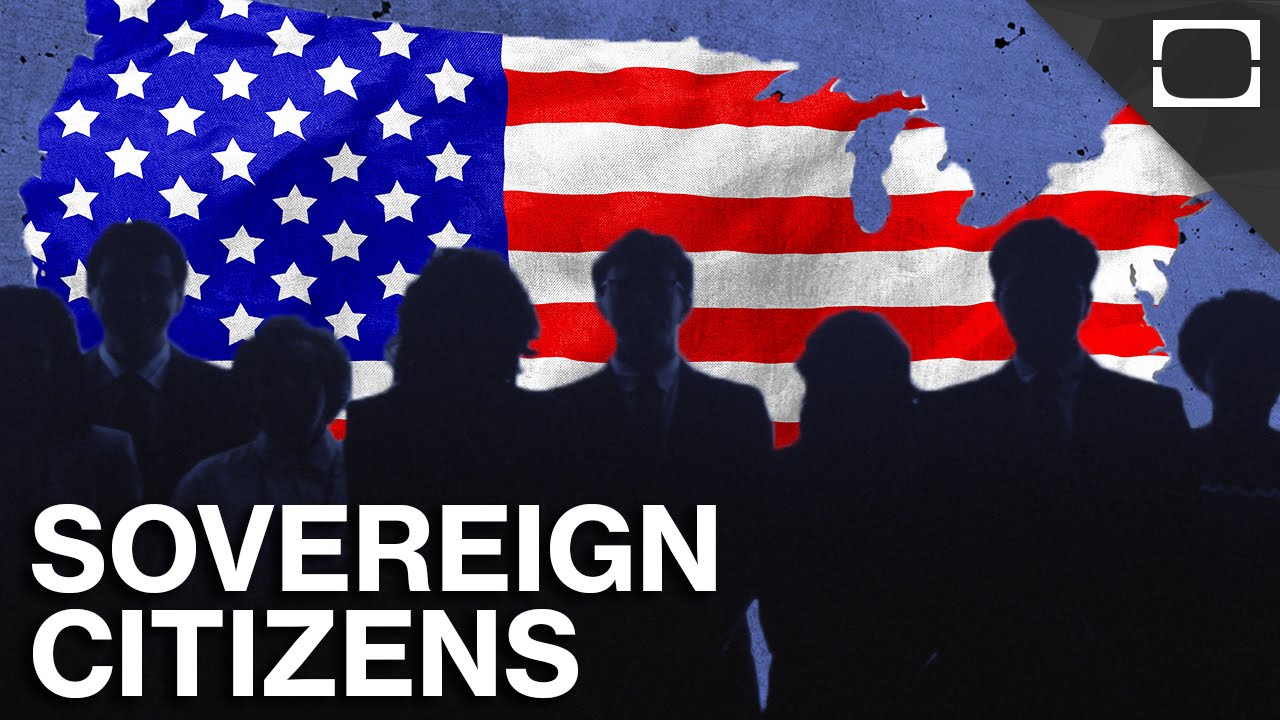
In today’s courts, a growing number of litigants are being unfairly discredited by a label that has no legal definition, no evidentiary basis, and no rightful place in judicial proceedings: “sovereign citizen.”
❌ Legally Unsupported, Factually Unfounded
The term “sovereign citizen” is not defined in any statute or court rule. Yet its use is increasingly deployed as a rhetorical shortcut to dismiss valid legal arguments, especially those related to constitutional rights, commercial law, and administrative due process.
In United States v. Benabe, the court emphasized that legal claims must be evaluated based on merit—not presumed ideology. Griffin v. U.S. Bank reaffirmed that it is the substance of a claim that matters, not the terminology used.
Labeling a litigant without sworn admission or supporting evidence is not rebuttal—it’s bias.
⚠️ Prejudicial and Defamatory
In legal and public discourse, “sovereign citizen” has become a catch-all term suggesting criminality, extremism, or anti-government views. When used in court, it functions as defamation per se, particularly when invoked by judges, attorneys, or officers under color of law.
This label damages reputations, influences judicial perception, and undermines a party’s right to due process.
🧑⚖️ Judicial Bias Violates Due Process
The U.S. Supreme Court has repeatedly held that even the appearance of bias undermines judicial integrity (Offutt v. U.S., 348 U.S. 11 (1954)). Courts must evaluate all pleadings impartially, without prejudice or personal opinion.
In Caperton v. Massey, 556 U.S. 868 (2009), the Court stated:
“Judicial integrity requires neutral evaluation of pleadings without prejudice.”
Assigning labels like “sovereign citizen” prejudges the litigant and violates this principle.
🚨 Sanctionable Conduct Under Rule 11 and 28 U.S.C. § 1927
Under Rule 11(b) of the Federal Rules of Civil Procedure, legal filings must have factual support and cannot serve improper purposes such as harassment or delay. Using inflammatory, unsupported labels violates:
-
Rule 11(b)(1) – Improper purpose
-
Rule 11(b)(3) – Lack of evidentiary basis
-
28 U.S.C. § 1927 – Multiplying proceedings unreasonably and vexatiously
Such conduct is not legal advocacy—it is courtroom misconduct.
📚 What Courts Have Already Said
-
“Use of the term ‘sovereign citizen’ to discredit a litigant’s argument does not relieve the court of the duty to evaluate the claims on their merits.”
— U.S. v. Phillips, 326 F. App. 400 (7th Cir. 2009) -
“Even the appearance of bias violates due process.”
— Offutt v. U.S., 348 U.S. 11 (1954) -
“Labels cannot substitute for evidence or legal reasoning.”
— U.S. v. Kis, 658 F.2d 526 (7th Cir. 1981)
✅ The Proper Remedy: Strike the Label
Courts should strike all references to “sovereign citizen” from the record unless:
-
The litigant self-identifies as such;
-
The label is directly relevant and supported by verified facts;
-
Its use is clearly not prejudicial or defamatory.
Courts must protect against ideological profiling, just as they do against racial or religious bias.
🔎 SPC University’s Position
We do not promote extremism or unlawful behavior. We teach:
-
Lawful navigation of the Uniform Commercial Code
-
Assertive, respectful use of constitutional rights
-
Effective engagement with the legal process
We advocate for a system where every party is judged by facts and law—not by stereotypes.
📌 What to Do If Labeled a “Sovereign Citizen”
If you are called a “sovereign citizen” in court:
-
File a Motion to Strike the term from the record
-
Request evidentiary support or sworn admission
-
Cite case law rejecting prejudicial labeling
-
Object on the record and demand impartial review
-
Document the misuse for possible sanctions
📘 Need guidance? SPC University’s courses and templates walk you through these steps.
✊ Final Word: Law Over Labels
Courtrooms must be governed by law—not assumptions.
By fact—not fear.
By justice—not prejudice.
“Sovereign citizen” is not a legal classification.
It’s a slur—and in a just system, slurs have no standing.
SPC University
Empowering Private Knowledge. Preserving Public Freedom.
🌐 spcuniversity.com | 📧 support@spcuniversity.com | ☎️(972) 338-5603
DOWNLOAD THIS MEMORANDUM OF LAW ON “SOVEREIGN CITIZEN”
