Posted by Yusef El -SPC University | July 2025
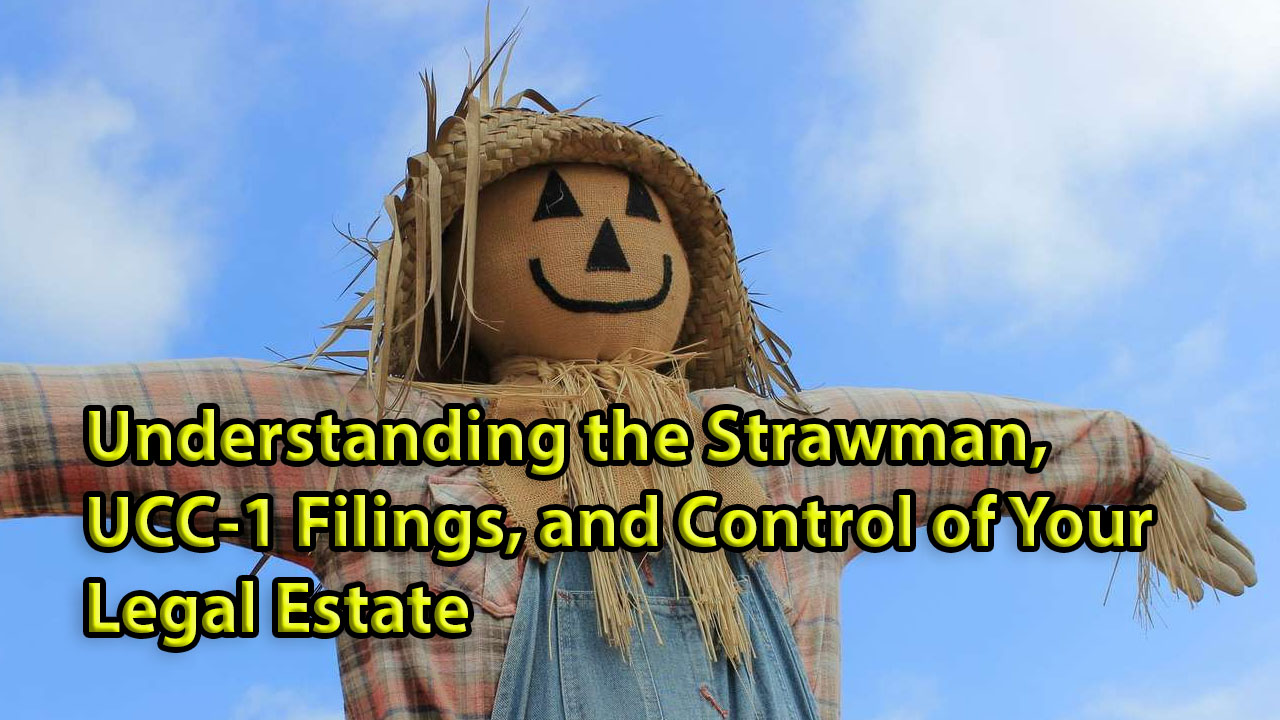
🏛 What Is the Strawman?
The term “strawman” refers to the legal entity created by the government at birth, represented by the ALL-CAPS NAME on birth certificates, Social Security cards, and most official documents. This entity exists as a legal fiction for administrative, tax, and commercial purposes.
While the government holds title to this entity, you— as the living man or woman—are its primary creditor and authorized representative. This means that, although you do not own the strawman in the sense of property ownership, you have the ability to control it lawfully when you understand the rules of commerce.
⚖️ Why Courts and Creditors Use the All-Caps Name
When you receive a summons or see your name in ALL CAPS on legal documents, the court is operating against the legal fiction, not the living being. This is because:
- The fiction is the debtor in commerce.
- The living being is presumed to be surety for that fiction—unless rebutted.
- Government and corporate entities can only deal with legal entities, not natural persons.
Understanding this distinction is essential for asserting your rights and managing your commercial affairs.
🏠 The Real Estate Analogy
Consider a real estate transaction:
Before closing, you don’t own the property—but you have control through a purchase contract. That control allows you to dictate the terms, transfer interest, and secure the deal before the title is officially conveyed.
The same principle applies to the strawman:
- The government created the entity.
- You do not hold title to it.
- But as its creditor, you can perfect an interest and exercise control.
📜 Filing a UCC-1: Why It Matters
A UCC-1 Financing Statement is a legal tool under Article 9 of the Uniform Commercial Code that allows you to perfect a security interest in property—real or personal, tangible or intangible. When applied to your strawman:
- It creates a recorded claim showing that you, as the secured party, have a priority interest in the legal fiction.
- It establishes priority over subsequent creditors, making their liens or judgments junior to your claim.
- It functions as public notice of your status and control.
This filing is not about avoiding obligations; it is about controlling the commercial account in honor and protecting your estate.
✅ What Does a UCC-1 Do for You?
- Establishes Your Role: You are the secured party; the strawman is the debtor.
- Perfects Your Interest: Priority over later claims.
- Strengthens Your Position in Commerce: Provides a foundation for additional remedies like set-off and discharge.
🛡 Key Principles: Control vs. Ownership
Control often matters more than ownership in commerce. When you act as the secured party creditor, you:
- Remove ambiguity about who holds the senior claim to the strawman and its assets.
- Prevent the presumption that you are an unsecured debtor.
- Create a commercial record that shifts the power dynamic in your favor.
⚠️ Common Misconceptions About UCC-1 Filings
Myth 1: Filing a UCC-1 makes you exempt from law.
Reality: It doesn’t grant immunity—it establishes your interest in the legal fiction.
Myth 2: It cancels all debts automatically.
Reality: It doesn’t eliminate obligations by itself; it creates the structure for lawful settlement.
Myth 3: Anyone can file without understanding the process.
Reality: A poorly executed UCC-1 can be ignored—or worse, cause legal complications.
🔑 Best Practices for Filing a UCC-1
- List the Debtor: The all-caps name tied to your SSN or birth certificate.
- List the Secured Party: Your proper name in upper/lower case, identified as living man/woman.
- Add Collateral Description: Broad and specific enough to cover property, rights, and assets associated with the legal fiction.
- File at the Right Location: Typically with the Secretary of State in your state of domicile.
- Keep Certified Copies for your records and future enforcement.
📚 Final Thoughts: Control Your Legal Estate
The strawman is not inherently good or bad—it is a commercial tool. When you understand it, you can use it to:
- Assert your position as creditor.
- Protect your estate from subordinate claims.
- Operate in commerce with clarity and confidence.
A properly filed UCC-1 does not reject the system—it navigates it intelligently by using the same rules that commercial entities follow every day.
🎓 Learn the Full Process with SPC University
Our Secured Party Creditor Process course includes:
✅ Step-by-step UCC-1 filing guidance ✅ Collateral description templates ✅ Status correction and trust strategies ✅ Practical enforcement tools
📘 Start today at spcuniversity.com