🏛 Living in the Private: Understanding Public vs. Private Status

Posted by SPC University | July 2025
✅ Introduction: Why This Matters
The phrase “living in the private” is popular among individuals seeking autonomy, freedom, and relief from excessive government control. Unfortunately, this pursuit is often clouded by myths and half-truths—leading some to make costly mistakes.
At SPC University, we believe in facts, not fantasies. Going private is real and lawful, but it requires understanding the difference between public and private, and the responsibilities that come with each.
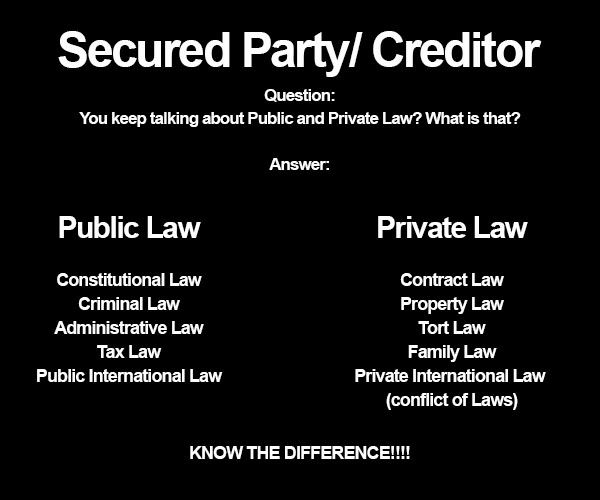
🔍 Public vs. Private: What’s the Difference?
Public
- Governed by statutes, codes, and administrative law.
- Includes activities under state or federal jurisdiction—such as driving with a state license, working under a W-2, or using government-issued IDs.
- Operates within a system of privileges and benefits in exchange for compliance and reporting.
Examples:
- Filing a 1040 income tax return.
- Registering a vehicle with the DMV.
- Using Social Security benefits.
Private
- Based on natural rights, contracts, and property law.
- Activities occur under private agreements rather than public statutes.
- Operates outside of statutory benefits, relying on common law and equity principles.
Examples:
- Managing property in a private trust.
- Engaging in commerce via private membership associations (PMAs).
- Using private contracts instead of government-regulated forms.
⚠️ Common Misconceptions About Going Private
❌ Myth 1: Going Private Means Anarchy
Many believe that “living in the private” allows them to do anything, anytime, anywhere without accountability. This is false.
Example: Flying an aircraft built by a public corporation in public airspace involves public safety and falls under public jurisdiction.
❌ Myth 2: Filing One Document Makes You Free
Some think a single UCC-1 filing or an affidavit instantly removes them from public jurisdiction. In reality, these filings create legal notice, but your conduct determines jurisdiction.
If you keep signing public contracts, you remain under public law.
❌ Myth 3: Private Means Untaxed
Going private does not automatically eliminate tax obligations. Certain taxes (like excise taxes) are tied to commercial activity, not just public status.
✅ The Reality: Conduct Creates Jurisdiction
Public and private status is not just about paperwork—it’s about behavior and agreements. Here’s why:
- Apply for a driver’s license? You consent to DMV jurisdiction.
- Use a Social Security Number? You enter federal benefit systems.
- Operate through private trust agreements? You limit exposure to public law—if done properly.
In short: Jurisdiction follows contracts and actions, not wishes.
🧭 How to Live in the Private Lawfully
- Understand Contracts: Know what you sign and the obligations it creates.
- Separate Public and Private: Use private entities (trusts, PMAs) for private business, but don’t mix them with public benefits.
- Reserve Rights: Use UCC 1-308 and proper notice when engaging in unavoidable public interactions.
- Educate Yourself: Private status requires knowledge of property law, trust law, and UCC principles.
🔑 Bottom Line
Living in the private is not about escaping the law—it’s about choosing which law governs you through informed agreements.
- Public = Benefits + Regulation.
- Private = Responsibility + Self-Governance.
Most people want freedom without responsibility—that’s where they fail.
True private living is about knowledge, structure, and honor in commerce.
🎓 Ready to Learn the Process?
SPC University offers courses on:
✅ Status Correction & Private Contracts
✅ UCC-1 Filings & Secured Party Creditor Process
✅ Private Trust Administration & Asset Protection
📘 Start now at SPCUniversity.com

